Author: David

  • Top 10 Restaurants in San Salvador

    Top 10 Restaurants in San Salvador

    I’ll be honest with you — when I was a kid, “going out to eat” in San Salvador meant pupusas and maybe, on a really big occasion, a fried chicken place. That was the entire scene. A birthday meant Pollo Campero. A graduation, if your family was feeling fancy, maybe a steakhouse. Nobody — and I mean nobody — flew to San Salvador for the food.

    So it still kind of amazes me what’s happened to this city in the last several years. We’ve got a restaurant on the Latin America’s 50 Best list now. Young Salvadoran chefs who trained abroad came home and started cooking our ingredients — loroco, our coffee, our corn, fish pulled out of the Pacific that morning — like they deserved respect. Which they always did, we just took a while to believe it ourselves. These days I pick up guests who tell me, straight up, that the food scene was part of why they chose El Salvador. If you’d told teenage me that, I’d have laughed in your face and gone back to my pupusas.

    So when guests want to eat well in the capital, I’ve got opinions. Strong ones, formed over years of dropping people at restaurant doors and hearing the verdict on the ride home the next day. Here’s where I point them — from the special-occasion splurges to the plastic-chair spots that locals actually love. Both ends matter. You’ll see why.

    1. Gracia. 
    Right now, this is the one. It comes from the team behind El Xolo — the place that basically put modern Salvadoran cooking on the world map and got the international food press to finally look at us — and Gracia is the fired-up, emotional next chapter. The cooking is built around fire and local ingredients, and it manages to feel both world-class and deeply ours at the same time, which is a harder trick than it sounds. Book weeks ahead. I’m not exaggerating even a little — it fills up, and I’ve had to deliver the bad news to too many guests who thought they could walk in on a Saturday. Watching a foreigner taste what our ingredients can actually do, done at this level? That’s a small personal joy of mine. I usually hear about it for the rest of the week.

    2. La Gastroteca. 
    Mediterranean food, beautiful old-school service, and prices that genuinely confuse people who’ve eaten the same quality in New York or Madrid. I’ve watched guests double-check the bill because they assumed something was missing from it. Nothing was. This is my pick for a romantic night or a real celebration — anniversary, big birthday, the “we made it up the volcano and survived” dinner. You walk out feeling like you got away with something, and honestly, by international standards, you did.

    3. Yuzu. 
    Nikkei cooking — that Japanese-Peruvian crossover that took over half the world’s food capitals — landed here, and it’s exactly what you crave after five straight days of corn and beans. Fresh fish, sharp citrus, clean flavors. A total palate reset. I send a lot of jet-lagged travelers here on night one, before the pupusa marathon begins, and they always come back from it looking human again. Theres a reason it became the go-to for the city’s young professional crowd almost overnight.

    4. Brutto. 
    Fusion that actually works, which — let’s be honest — is rare. Most fusion places are confused places. Brutto swings from Asian flavors to Italian comfort food without ever losing the thread of what it is, the room is stylish without being annoying about it, and the kitchen is consistent in a way I’ve learned not to take for granted. It has never once let me or my guests down, and after years of recommending restaurants for a living, that reliability is worth gold. This is my “I don’t know what everyone feels like eating” answer, because there’s something for the whole table.

    5. María Bonita. 
    Come for brunch, stay for the volcano view and a cocktail list that takes itself seriously — twenty-plus signature drinks, an actual mixologist behind them, not just someone pouring rum into juice. It’s the kind of slow, leafy late morning that fixes a rough night or eases you into a lazy day. I like dropping guests here after an early volcano hike: they’ve earned the eggs, the view of the very volcano they just climbed, and the first cocktail before noon. Nobody judges. It’s practically the point.

    6. Los Ranchos. 
    Steak. Proper, serious, char-grilled steak from a place that’s been doing it since the sixties — long before anyone used the word “foodie” here. Order the churrasco and don’t argue with me about it. The room is old-school, the waiters have been there forever and act like it, and the place is always packed for the simplest reason in the restaurant business: they’ve done the same thing excellently for sixty years. Some of my older guests tell me it reminds them of the great steakhouses back home that all closed. Ours didn’t.

    7. A late-night street pupusería. 
    I’m deliberately not naming one, and that’s the whole point — half the magic is that it’s the one closest to wherever you happen to be, griddle roaring at 9pm, plastic chairs wobbling on the sidewalk, dinner for two dollars. The señora working the masa has probably been doing it for thirty years and her hands move faster than you can follow. Do not — I’m begging you — let the fancy restaurants on this list make you skip this. The tasting menus are wonderful, but this is the soul of the place. If you leave San Salvador without a late-night street pupusa, you did it wrong and I will tell you so.

    8. The cafés of Santa Elena and Zona Rosa. 
    The leafy, walkable, slightly upscale side of town, where the specialty coffee movement finally caught up with the fact that we grow some of the world’s best beans. Perfect for a long, slow coffee, some quality people-watching, and pretending you live here. Which, fair warning, by the end of the trip you’ll be genuinely considering — it happens to my guests so often it’s become a running joke in the van. The pastries got good too, somewhere along the way. Dangerous combination.

    9. A market comedor. 
    Down in the Mercado Central: plastic stools, steam rising off enormous pots, a plato típico for a few bucks, and señoras who’ve been cooking the same five dishes for decades and have them dialed to perfection. This is where the city actually eats lunch, and I’ll say the quiet part loud — it’s better than half the restaurants charging ten times more. Point at what looks good, sit where there’s space, and eat. Nobody’s going to hand you a menu in English. That’s a feature, not a problem, and I’m right there to translate anyway.

    10. Whatever just opened in Antiguo Cuscatlán. 
    This neighborhood reinvents itself constantly — new spots every few months, young chefs coming home from kitchens in Mexico City or Barcelona and trying things, some of which work brilliantly and some of which vanish by Christmas. That churn is exactly what makes it exciting. I keep a running mental list of what’s new and what’s actually good, so when you’re in the van, just ask. The answer genuinely changes every time, and being early to a place before the city discovers it is one of the great small pleasures of eating here.

    A few practical notes from the driver’s seat. Reservations matter way more than they used to, especially Friday and Saturday nights at the top spots — book the big ones before you even fly if you can, and I can help with that. Tipping around ten percent is standard. Dress is relaxed almost everywhere; this is still a tropical capital, nobody expects a jacket. And whatever you do, don’t fall into the trap of only eating fancy. The range is the whole point of this city right now — a world-class tasting menu one night, a two-dollar street pupusa the next, and I promise you’ll remember both. Sometimes its the two-dollar one that wins.

    So tell me the vibe — big celebration, cheap and real, quiet date, feeding picky teenagers — and I’ll aim you at exactly the right table. Eating is half of travel, maybe more than half, and San Salvador is finally, genuinely, a city where you can eat really well. Took us long enough. But here we are, and the kitchen’s open. Come hungry.
  • Top 10 Things to Do in El Salvador

    Top 10 Things to Do in El Salvador

    Seeing a place and doing a place are two different things. You can look at a volcano through a car window — plenty of people do, and they go home with a nice photo and nothing else. Or you can drag yourself up the side of one, two hours of switchbacks and loose rock, and stand on the rim with your legs shaking while steam drifts off a turquoise lake below you. I’m firmly in the second camp. After years of driving people around this country, I can tell you the trips they still email me about are never the ones where they just looked at things. They’re the ones where they got a little dirty, a little wet, a little out of their comfort zone.

    And here’s the beautiful part about El Salvador: you can pack an absurd amount of doing into a short visit. We’re small. Stupidly small, in the best possible way — you can drive border to border in about four hours, which means you can surf at sunrise and be standing on a crater rim by lunch. No internal flights, no wasted travel days. Just one good thing after another.

    So here’s my list of things to actually do here. Not photograph. Do.

    1. Hike an active volcano. 
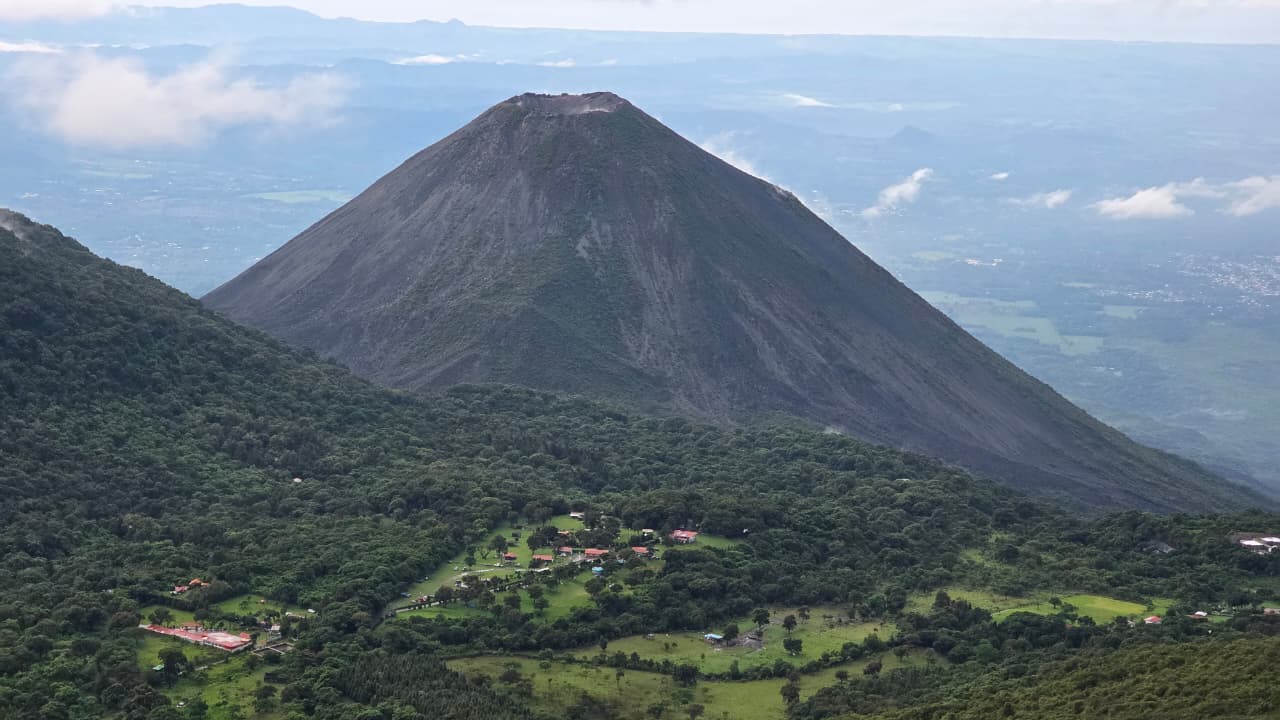
    Start with Santa Ana if you’ve got reasonable fitness. It’s about two hours up from the Cerro Verde side, steady but manageable, and the payoff is that famous turquoise sulphur lake sitting in the crater like somebody poured a swimming pool into a volcano. The sense of accomplishment lasts the rest of your trip — I’ve watched quiet people get downright chatty on the way down. If you want something meaner, Izalco is the one. Steep, loose black scree, two steps up and one slide back, and your calves will file a formal complaint the next morning. Worth it though. Standing on a near-perfect cone that was erupting within living memory does something to you.

    2. Surf at Surf City. 
    El Sunzal is where I send beginners, every time — a long, mellow right-hander that breaks slow and forgives your mistakes. Board rentals and instructors are right there on the sand, and you can take a lesson in the morning and be riding actual waves by the afternoon. I’ve seen it happen with people who swore they had no balance. The water’s warm year-round, no wetsuit needed, the crowd’s friendly, and nobody is going to laugh at you. Promise. If you already surf, El Tunco and El Zonte are right there too, and the points further down the coast get serious fast. Tell me your level honestly and I’ll match you to the right wave.

    3. Cup real Pacamara coffee. 
    Not a bag from the airport gift shop. I mean a proper tasting at a farm up in Ataco, where they walk you from the coffee cherry on the bush, through the drying patios, all the way to the cup steaming in your hand. Pacamara is this giant, rare bean grown almost nowhere else on earth, and the first time you taste it done right — big, complex, almost fruity — supermarket coffee is kind of ruined for you forever. I’ve had guests ship beans home by the kilo. One guy from Seattle, coffee snob of the highest order, went quiet for a full minute. That’s the reaction.

    4. Eat your way through the Juayúa food fair. 
    Every Saturday and Sunday the town square fills with grills, and the smell hits you a full block before you see anything. Rabbit, frog, iguana if you’re feeling brave, plus every normal grilled thing you could want — chicken, ribs, seafood skewers, the works. It’s cheap, it’s chaotic, theres smoke everywhere and music playing and kids running between the tables. It’s one of my favorite afternoons to share with people. Come hungry. Seriously, skip breakfast that day.

    5. Swim under a waterfall. 
    The seven falls of Juayúa or the Tamanique cascades, take your pick — either way you climb, you scramble, you jump off rocks into cold green pools and come up gasping and laughing. Bring shoes you don’t mind soaking, because the dry-sneaker people always regret their choices on the slick rocks. You’ll be sore the next day and grinning about it. The cold water after a sweaty hike is the whole point. Trust the process.

    6. Ride the Apaneca rainbow slide. 
    Is it touristy? Completely. Is it an absolute blast to fly down a painted hillside on a rubber tube with coffee fields blurring past on both sides? Also completely. Sometimes you just let yourself have fun and stop overthinking it. It’s at Café Albania, the views over the hills are gorgeous, and I have never once seen someone come off that slide without a stupid grin. Adults included. Adults especially, actually.

    7. Cross into Honduras for Copán. 
    It’s a long day or, better, a comfortable overnight — but the Maya ruins at Copán are the most artistically detailed in the whole region. Carved stelae that still have their depth and character after more than a thousand years, the famous hieroglyphic stairway, the ball court, scarlet macaws flying loose over the plaza. If you’ve got any history in your blood at all, this is the trip. And I handle the border crossing and the paperwork so you don’t lose your sanity at the checkpoint. That part alone is worth having a guide, believe me.

    8. Soak in volcanic hot springs. 
    Apaneca has these thermal pools heated by the earth itself — dozens of them scattered down a hillside, open late into the evening, cheap to get in. After a day of hiking, lowering yourself into naturally hot water under the stars is a kind of medicine no pharmacy sells. The steam rises, your muscles surrender, and somebody usually has to come tell you it’s closing time. Plan this for the evening after a volcano day. Thank me later.

    9. Meet the rescued monkeys. 
    There’s a sanctuary here caring for spider monkeys pulled out of the illegal pet trade — animals that arrived traumatized and are being patiently rehabilitated by people who clearly love them. The keepers tell you each monkey’s story, your entry fee supports real conservation work, and honestly, the kids who come through lose their minds in the best possible way. It’s easy, it’s gentle, it’s meaningful. One of the few stops that works for every age in the van, from toddlers to grandparents.

    10. Do absolutely nothing on a black-sand beach. 
    I mean it. El Tunco at golden hour, a fish taco in one hand, a cold drink in the other, the surfers paddling out as the sky goes orange and pink over the Pacific. Not every great day needs an itinerary. Some of the best ones are just sand and salt and not checking your phone for a few hours. I’ve had guests tell me, after a week of volcanoes and waterfalls, that the lazy beach evening was their favorite part. I used to take that personal. Now I get it.

    Here’s the thing I tell everyone, and it’s the closest I have to a trade secret: you don’t have to choose just one of these. A normal day out with me might be a volcano in the morning, a lazy fish lunch on the lake, and a waterfall swim before dark. That’s the gift of a country you can cross in four hours — you stop planning by region, the way you would in Mexico or Peru, and you start planning by mood. Active morning, slow afternoon. Culture today, adrenaline tomorrow. The geography just lets you.

    So if you already know what gets your heart going — adrenaline, food, slow and scenic, all of the above — tell me, and I’ll build your days around it. And if you have no idea what you want? Honestly, even better. Those are my favorite trips to plan, because I get to read you as we go and surprise you with the thing you didn’t know you came for. It happens on almost every trip. Theres always one stop nobody saw coming, and it’s usually the one they talk about on the ride back to the airport.

    Come do El Salvador. Looking at it was never the point.

  • Top 10 Sites to See in El Salvador

    Top 10 Sites to See in El Salvador

    People show up expecting one volcano and a beach. A long weekend, maybe. Then they leave realizing they needed two more weeks, and they’re already texting me about when they can come back.

    I get it. On paper we’re tiny — the smallest country in Central America, the only one without a Caribbean coast, and you can drive from one border to the other in about four hours with a pupusa stop in the middle. But somehow we crammed Maya ruins, a crater lake the color of a hotel swimming pool, colonial towns that look frozen sometime around 1940, and more volcanoes than you can climb in a single trip into a space smaller than New Jersey. I’ve been showing people around for years now and I still find corners I didn’t know about. So here’s my honest list — the places I’d put at the top if you only had a week and wanted to actually see the country, not just photograph it.

    1. Santa Ana Volcano (Ilamatepec). 
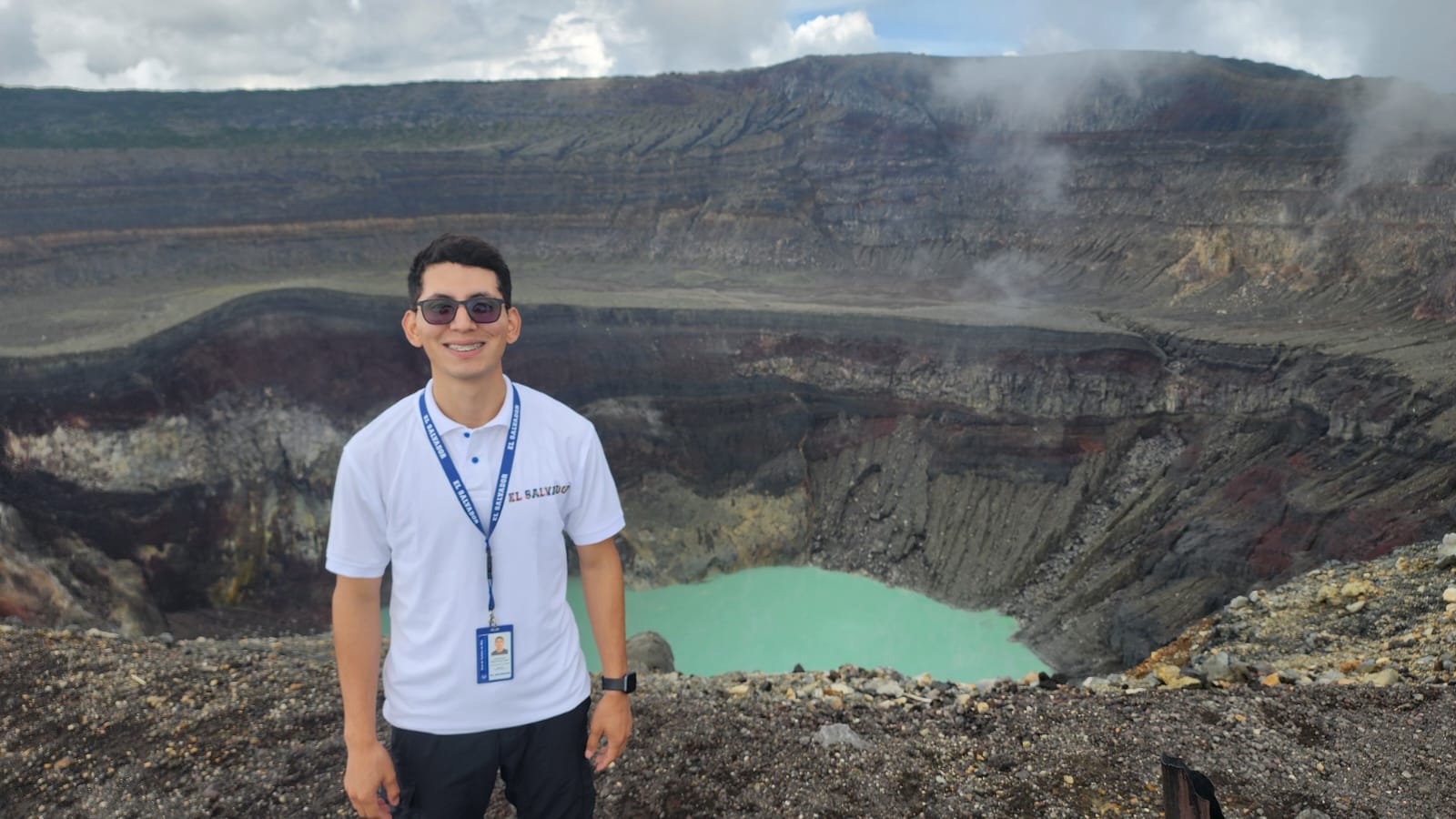
    This is the hike everyone talks about, and for once the hype is earned. It’s our tallest volcano at 2,381 meters, and the walk up takes roughly two hours from the Cerro Verde trailhead — not easy, not brutal, just enough that you feel like you earned the view. And the view. A turquoise sulphur lake sitting right there in the crater, steam drifting off it, the kind of blue-green that makes people go quiet for a second. I’ve stood on that rim more times than I can count and it still gets me every single time.

    2. Lake Coatepeque. 
    Right next door to Santa Ana, which is why I almost always do them together. It’s a flooded caldera, an old collapsed volcano that filled with water, ringed by green hills and weekend houses. The water shifts color through the year; some seasons it turns this milky turquoise and nobody fully agrees why. Best experienced with a cold beer and a plate of fried fish in front of you at one of the lakeside spots. Lazy, slow, perfect.

    3. Joya de Cerén. 
    Our only UNESCO World Heritage site, and honestly it doesn’t get the respect it deserves. A little Maya farming village that got buried under volcanic ash around 600 AD, fast, like the people barely had time to run. Because it was sealed so quickly, everything stayed put. The kitchens, the sleeping mats, the half-eaten food. They call it the Pompeii of the Americas and it’s not an exaggeration. You can see actual fingerprints pressed into the clay. Gives me chills, that part.

    4. Tazumal. 
    Over in Chalchuapa, this is the biggest Maya structure in the whole country, a stepped pyramid that’s been standing for well over a thousand years. And here’s the wild part: there’s almost never a crowd. You can have the place practically to yourself, which would be unthinkable at a site like this anywhere else in the region. I love taking people who think they’ve “done” Maya ruins. They get there and realize they hadn’t.

    5. Suchitoto. 
    If you only visit one colonial town, make it this one. Cobblestone streets, whitewashed walls, red tile roofs, a big calm lake just below. It made its money on indigo dye back in the day, and that old wealth is why the architecture is so well kept. Go for a weekend, not an afternoon, there’s art, there’s music, theres a strange and beautiful waterfall nearby called Los Tercios made of hexagonal stone columns. Suchitoto rewards slowing down.

    6. El Boquerón. 
    The crater sitting right on top of San Salvador, which still feels absurd to me, a giant volcano basically in the backyard of the capital. The hike along the rim is short and gentle, family-friendly, but the payoff is huge: you peer down about 500 meters into a crater a kilometer and a half wide, and inside it there’s a smaller cone called the Boqueroncito that grew during the 1917 eruption. A baby volcano, living inside its parent. Cool mountain air, coffee farms on the slopes, and you’re maybe forty minutes from downtown.

    7. Concepción de Ataco. 
    The prettiest stop on the Ruta de las Flores, no argument from me. Every other wall in town is covered in murals — bright, weird, wonderful street art that turns the whole place into an open-air gallery. It sits up in the coffee hills, so the air is cool and there’s a good cup of coffee on basically every corner. Hike up to the cross above town for sunset. Trust me on that one.

    8. Iglesia El Rosario, San Salvador. 
    This is the one I most love springing on people. From the outside it looks like a grey concrete bunker, honestly kind of ugly, a lot of visitors walk right past it. Then you step inside and the entire ceiling and walls erupt in rainbow stained glass, light pouring through in colors you didn’t expect a church to have. The architect built the whole thing as one big arch with no interior columns. Nobody is ever ready for it, and watching someone’s face the first time is half the fun for me.

    9. Tamanique and the Pacific cliffs. 
    This is where our mountains stop pretending and just drop straight into the ocean. The drive down is all switchbacks and ridgelines, and then suddenly the whole Pacific opens up in front of you. There’s a waterfall hike tucked in the hills here too, and the surf town of El Tunco is right below for a fish taco after. But the sunsets are the real reason to come, the sky does things over the water that don’t look real, and I’ve taken a thousand photos that never quite catch it.

    10. Cathedral & Historic Center, San Salvador. 
    The Metropolitan Cathedral downtown, with Archbishop Óscar Romero’s tomb in the crypt below. He’s a saint now, but more than that he’s woven into our recent history in a way that’s hard to explain to someone who didn’t grow up here. Whatever you’ve read about El Salvador, the war, the hard years, all of it, standing quietly at that tomb hits different. The historic center around it has been cleaned up alot in recent years and it’s genuinely pleasant now: the National Palace, the markets, the old theater. Start your trip here. It gives everything else context.


    So that’s my ten. And the thing is, I left stuff out, beaches, more waterfalls, the whole eastern half of the country- which should tell you something about how much is packed into this little place. That’s the part that surprises everybody. You come for a volcano and a beach, and you definately leave with a list of reasons to return.

    My advice? Don’t try to sprint through all ten in three days. Pick a handful, let them breathe, eat well between them. The travelers who slow down always leave happier than the ones racing a checklist – I’ve watched it play out a hundred times from the driver’s seat. And if you want a hand stitching these into a route that actually flows, with the timing and the back roads sorted out, well, that’s exactly what I do. Come see it for yourself.

  • Welcome to the ES Tours Blog

    Welcome to the ES Tours Blog

    Hi, I’m David — Let Me Show You My El Salvador

    People ask me how I got into this. The honest answer? I never really set out to be a tour guide. I just couldn’t stand watching visitors come to my country and leave having seen almost none of it.

    I grew up here, in San Salvador. Spent my childhood being dragged up volcanoes by my family, swimming under waterfalls that don’t show up on any map, eating pupusas off griddles run by women who’ve been making them the same way for forty years. To me that was just… normal. Then I started meeting travelers who’d flown halfway around the world, stayed three days, seen the inside of a hotel and one crowded beach, and gone home thinking that was El Salvador. And it drove me a little crazy. Because they’d missed it. All of it.

    So I started showing people around. First friends of friends, then friends of those friends, and somewhere along the way it turned into ES Tours.

    What ES Tours actually is

    Here’s the short version: it’s me, a comfortable air-conditioned 7-seater, and a deep, slightly obsessive knowledge of this country. That’s it. No big bus, no rigid script, no rushing twelve strangers through a checklist so we can hit the gift shop by three.

    Every trip I run is private. Just you — your partner, your family, your group of friends. We go at your pace. If you want to spend an extra hour on the crater rim because the light’s good, we stay. If you’d rather skip the museum and find the best fish on the lake instead, we do that. You’re not a ticket number to me. You’re a guest, and I treat the day like I’m showing my own cousins around.

    And we talk. In English or Spanish — I’m fluent in both and happy to switch mid-sentence if that’s what helps. That part matters more than people expect. A lot of what makes a place click is the story behind it, and you can’t get that from a sign you can’t read.

    Where I’ll take you

    This is the fun part, because there’s so much, and it’s all so close together. We’re the smallest country in Central America. You can genuinely climb a volcano in the morning and watch the sun drop into the Pacific that same evening.

    There’s the coffee tour to Concepción de Ataco — my personal favorite — where we visit Café Ataco and Entre Nubes and taste the Pacamara, a bean so rare it’s grown almost nowhere else on earth. There’s Santa Ana volcano with its impossible turquoise crater lake, paired with a lazy lunch on Lake Coatepeque. The seven waterfalls of Juayúa, where you climb and swim and jump if your nerves allow. The Tamanique falls and El Tunco beach for the people who want jungle and ocean in one day.

    I take families to the monkey sanctuary, history lovers across the border to the Maya ruins at Copán in Honduras (don’t worry about the paperwork — I handle all of it), and pretty much everyone, at some point, up to El Boquerón to peer down into the crater that sits right above the capital. There’s the San Salvador city tour for the culture and the history, including things I lived through myself and can tell you about better than any guidebook.

    And if none of those quite fit? We build something. Surf trip, photography route, a multi-day adventure, a corporate group that wants to actually bond instead of sit in a conference room — I design custom itineraries all the time. I also run straight-up private charters with the 7-seater: airport pickups, hotel transfers, a driver-guide for the day who knows which roads wash out in the rain and which back-road pupusería is worth the detour.

    Why this, and not a big tour company

    Look, I’m not going to pretend I’m the cheapest option, or the flashiest. I’m one guy with one van and a calendar that fills up. But that’s exactly the point.

    When you book with ES Tours, you get the person who actually knows the farmers by name. Who knows which trail opens after the rains and which one’s still mud. Who’ll stop the van because there’s a minuta cart up ahead and you have to try one. The big operators can’t do that. They’re moving volume. I’m just trying to give you the El Salvador I’d want a friend to see.

    I’ve had travelers tell me, at the end of a day, that it felt less like a tour and more like hanging out with a local who happened to know everything. That’s the best compliment I get. It’s the whole goal.

    So — that’s me, and that’s ES Tours. If you’re thinking about coming, or you’re already here and wondering what’s worth your time, just message me. Tell me your dates, who’s coming, and what you’re curious about. I’ll come back with honest suggestions, not a sales pitch.

    Let’s go see my country. I promise it’s better than the postcards.

    — David Mejicanos, ES Tours · San Salvador